
-
 SHOPPING CART item - 0
| ISBN | 9788170225218 |
| Binding | Hard Bound |
| Pages | 160 |
| Year of Publication | 1994 |
| Language | English |
| Size | 23 cms |
| Subject | Agriculture , Economics , International Studies , Political Science , Sociology |
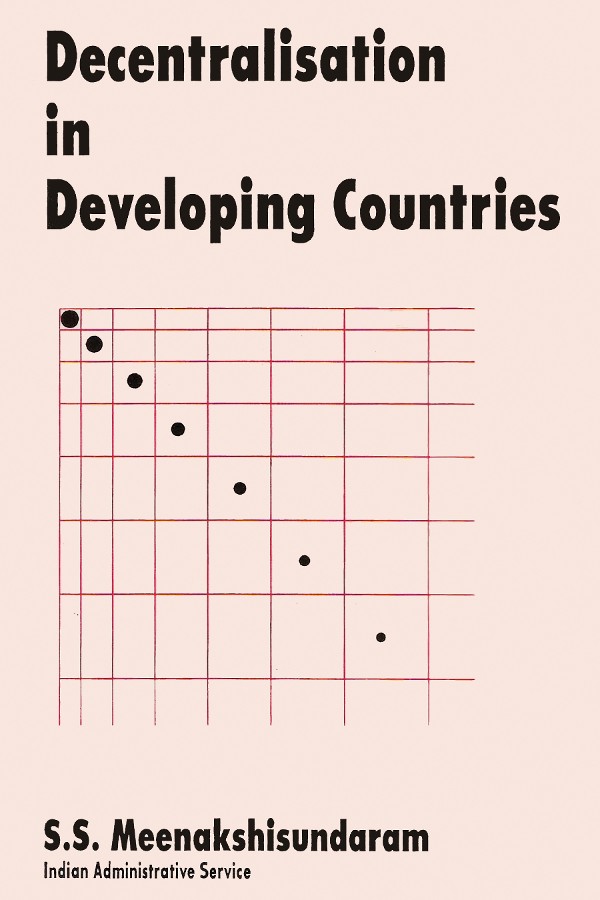
The book is a comparative study on the decetralisation patterns in three developing countries of comparable size and population Nigeria, China and India. After an introduction that deals with definitions and the ground rules of the study, the book unfolds the history of local governments in each one of these countries. These descriptive chapters are followed by an analysis of the three systems under the common parameters of structure, functions and resources, which finally lead to the conclusions arrived at in the last chapter. While describing the ground realities in each of these countries, the book concludes that greater decentralisation and democratisation is needed not only for development but also to fulfill the needs and aspirations of the people, The journey to decentralisation is neither short nor easy, but it appears inevitable in any human society. This book is an attempt to make the journey smooth and purposeful.
S.S. Meenakshisundaram is currently the Joint Secretary in the Ministry of Rural Development, Government of India, handling decentralised governance through the Panchayati Raj system and also the Jawahar Rozgar Yojana, the single largest rural employment programme in India. He was actively involved in formulating the constitution (73rd Amendment Act, 1992, which ushered in the Panchayati Raj system of local governance through out the country. Mr. Meenakshisundaram has spent a substantial portion of his 25 years in the Indian Administrative Service as a field officer in the State of Karnataka. He was Deputy Commissioner in Tumkur and Bangalore districts for about five years handling the development programmes at levels closer to the people. It was during his tenure as Secretary (Rural Development) and Panchayati Raj Department) that the State of Karnataka experimented its first Panchayati Raj system with Zilla Parishads and Mandal Panchayats as the key institutions of local governance. He was awarded a visiting fellowship by the Institute of Development Studies, Sussex, UK during 1990-91, to take up this comparative study on decentralised patterns in selected developing countries. This book is the result of his personal experience in the local government system s in India and the Knowledge he gained through visits to local government institutions in Nigeria and the People's Republic of China.