
-
 SHOPPING CART item - 0
| ISBN | 9788170229063 |
| Binding | Hard Bound |
| Pages | 226 |
| Year of Publication | 2002 |
| Language | English |
| Size | 23 cms |
| Subject | Social Work , Sociology |
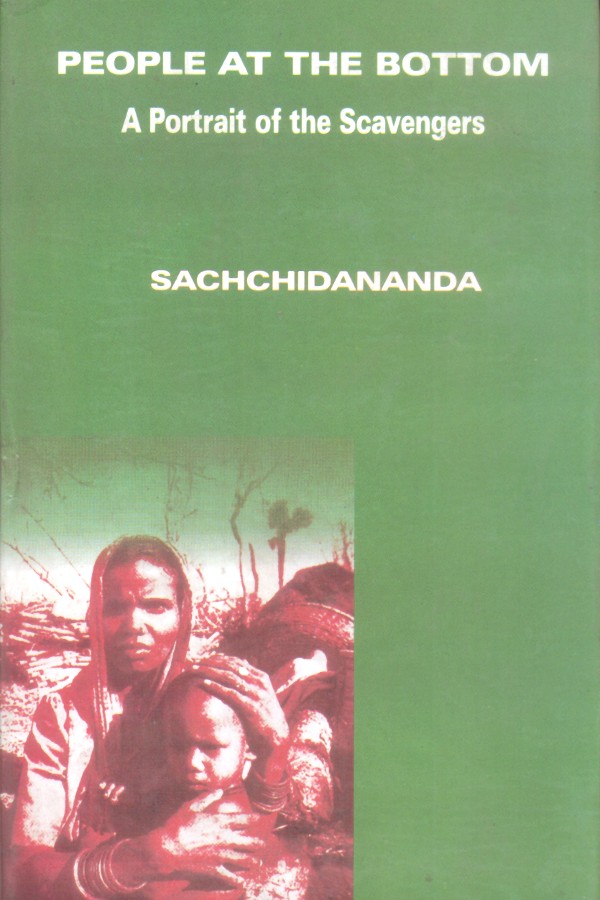
Scavengers in India constitute the lowest rung of Indian society. They are, in fact, the people at the bottom. They are the real Antyaja as conceived by Mahatma Gandhi. Although the scavengers are with us from the beginning of civilisation, there are no detailed study of their living and working conditions, their troubles and tribulations, their hopes and frustrations. The cluster of castes engaged in this profession has been looking to the Indian civil society for their salvation. In spite of the recommendations of many committees and commissions they have not bee liberated from the shakles of poverty and pollution. They have been forced to live a life of degradation bereft of human dignity. Their state is indeed a living disgrace for the country. The work is based on an empirical study covering 5200 households in urban and rural settings in Bihar. It is intended to give a glimpse of the living and working conditions of the scavenger castes and to bring out the impact of different welfare programmes for their liberation and rehabilitation in the gender and human rights perspectives. Efforts to bring the scavengers form the margin to mainstream of Indian society and ultimately to empower them have also been assessed in terms of the success achieved. Towards the end of the study and number of steps have been suggested to speed up this process.
SACHCHIDANANDA D. Litt. is Professor of Sociology and Director of the A.N. Sinha Institute of Social Studies, Patna. Born in 1926 and educated at Patna and London, he has taught Anthropology and Sociology at the University of Patna, Ranchi and also at the City University of New York. He started the University Department of Anthropology at Ranchi in 1953 and was the Director of the Bihar Tribal Research Institute from 1962-65. He has contributed a large number of papers and book reviews to research journals in India and abroad and published nine books important among which are Culture Change in Tribal Bihar (1964), The Tribal Village in Bihar (1968), Social Dimensions of Agricultural Development (1972), Tribal Voter in Bihar (1976), and Harijan Elite (1977). Professor Sachchidananda is President, Bihar Sociological Society, Vice-President Council of Social Research and is the past president of the Anthropology and Archaeology Section of the Indian Science Congress. He is associated with a number of Social Science research Institutions in the country in an advisory capacity.